





The Ancient Art of keeping babies close: Babywearing
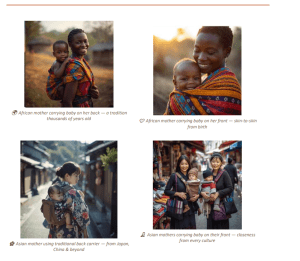
What African grandmothers knew intuitively — that a baby on your
back is a baby thriving — turns out to be one of the most scientifically
supported parenting practices in existence.”
— Nest Beginnings Research Team
A Tradition Born From Wisdom,Confirmed by Science
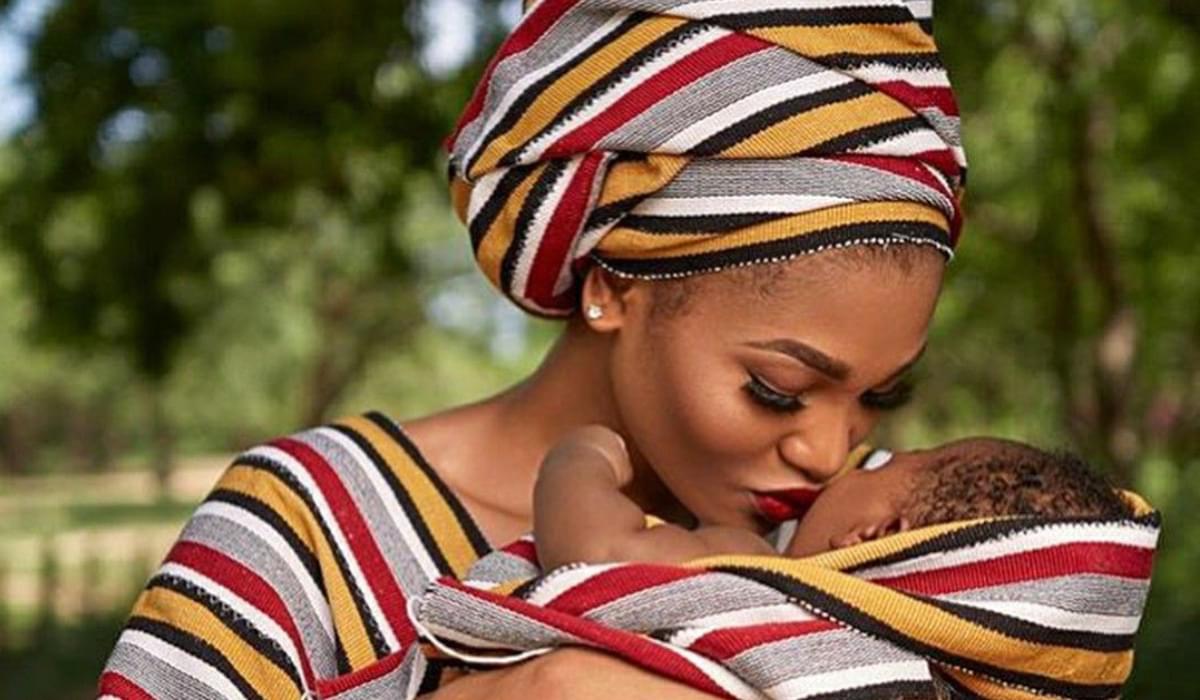
Across Africa, Asia, Latin America, and beyond, mothers have worn their babies in colourful wraps
and slings for millennia. In many African communities, the kanga, chitenge, Kente, Oja, and dhuku
are not just fabric — they are a complete nurturing system, passed down from grandmother to
mother to daughter. In Asia, the meh dai, onbu, and podaegi have served the same purpose for
generations.
Today, researchers are confirming what these traditions have always understood: keeping a baby
close to your body is one of the most powerful things you can do for their health, brain, and
emotional wellbeing. In this guide, we break down all the benefits — for your baby, for you, and for
your whole family.
What is Happening in Your Baby’s Brain?
When your baby is worn close to your body, something remarkable happens in their developing
brain. Understanding this helps explain why babywearing is so much more than just a way to carry
your child.
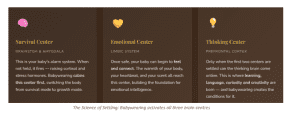
1. The Survival Centre (Brainstem & Amygdala)
This is your baby’s alarm system. When a baby is not held or carried after birth, this centre can fire
— flooding the body with cortisol and stress hormones. Research shows that when a newborn is not
in skin-to-skin contact after birth, the infant instinctually feels unsafe, which dysregulates the brain.
Babywearing calms this centre first, switching the body from survival mode into growth and learning
mode.
2. The Emotional Centre (Limbic System)
Once safe, your baby can begin to feel and connect. The warmth of your body, your heartbeat, your
scent and your voice all reach this centre. Skin-to-skin contact releases oxytocin — the bonding
hormone — in both the baby and the caregiver, building the foundation for emotional intelligence
that will last a lifetime.
3. The Thinking Centre (Prefrontal Cortex)
Only when the first two centres are settled can the thinking brain come online. This is where learning,
language, curiosity, empathy, and creativity are born. Babywearing creates exactly the conditions
this brain centre needs: safety, warmth, sensory input, and calm.
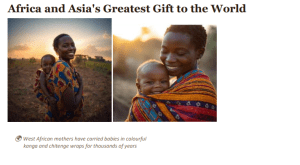
Long before baby stores sold colourful carriers, prams, baby bouncers, African mothers were
wrapping their babies in vibrant kanga, Kente, Oja, chitenge, and dhuku cloth — carrying them
through fields, markets, business ventures, rivers, towns and villages. Across Asia, the meh dai in
China, the onbu in Japan, the podaegi in Korea, and the lenso in the Philippines served the same
purpose. This was never just transport. It was parenting, medicine, and community all in one.
“The womb lasts eighteen months — nine months inside mother, and
nine months outside.” — Dr Nils Bergman, Neonatologist, (one of the
founders of Kangaroo mother care)
Modern Western culture drifted away from carrying, replacing it with cots, prams, bouncers and
chairs. Now science is bringing it back — and the developing world, which never stopped, is leading
the way.
Traditional Babywearing Fabrics & Carriers by Culture:
🌍 Kanga / Chitenge / Dhuku / Kente / ashoke / oja — East, Central, Southern Africa and West
Africa
🌸 Meh Dai / Onbu / Podaegi — China, Japan & Korea
🏔️ Amauti parka — Inuit communities
🌿 Rebozo wrap — Latin America (Aztec origin)
🇮🇳 Kangaroo Dupatta — South Asia
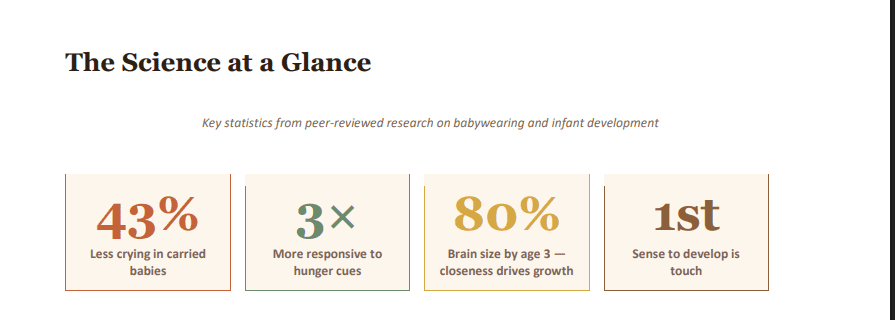
The Science at a Glance
Key statistics from peer-reviewed research on babywearing and infant development